Some weeks everything comes together. The dress sits right, the photos look like you, and people answer when you speak. Other weeks you do exactly the same things and none of it lands.
Most of that is ordinary life. Some of it is timing. The planet that governs beauty, attraction and how you are received keeps a timetable of her own, and it runs in seasons, set by whether Venus is the evening star or the morning star.
Is Venus the morning star or the evening star?
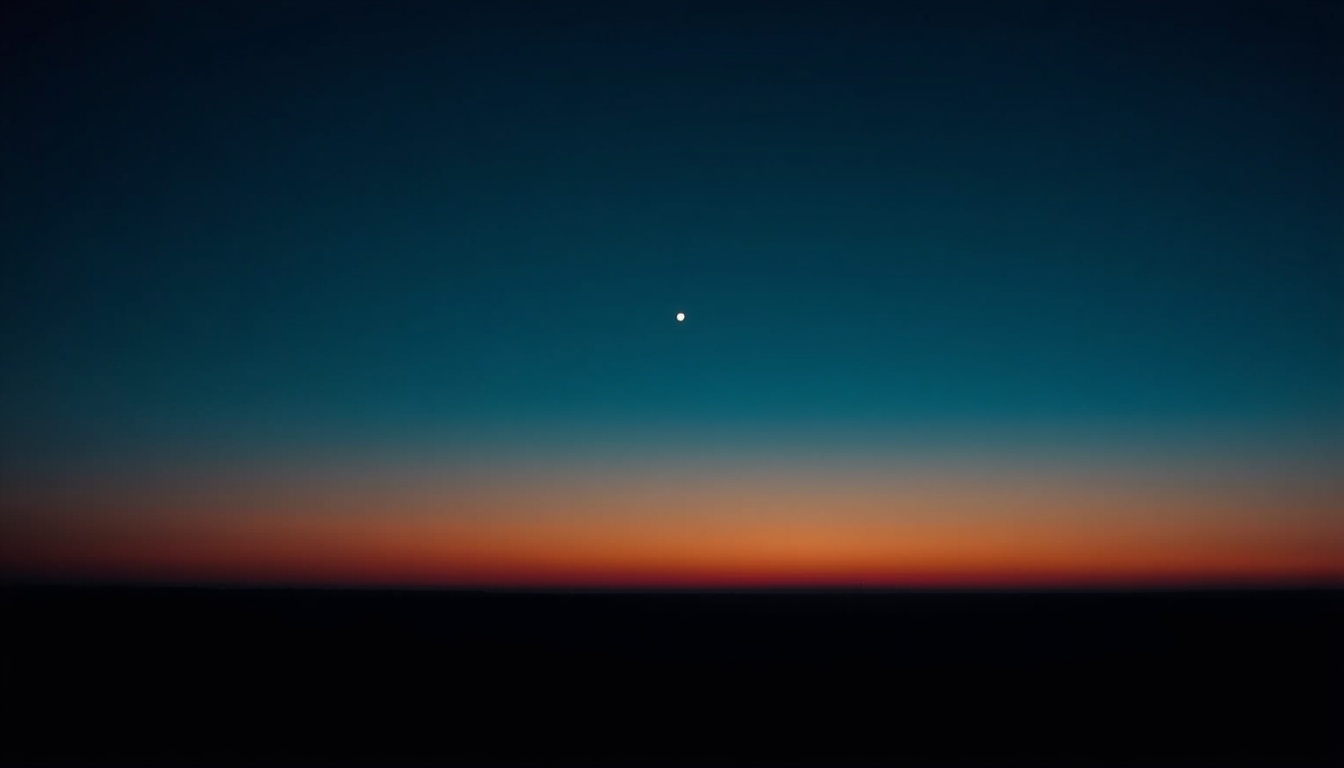
Venus is the evening star when she sets after the Sun and shines in the west after dark, and the morning star when she rises before the Sun and shines in the east before dawn. Each season lasts about eight and a half months. You will only ever find Venus near the Sun. She never strays more than about forty-seven degrees from it, so you see her low in the west after sunset or low in the east before dawn, and never high in the middle of the night.
Her cycle takes about nineteen months, and it has four parts.
Evening star. She follows the Sun down and shines in the west after sunset. This lasts around eight and a half months.
Hidden. She draws so close to the Sun that she is lost in its light. This lasts only about a week.
Morning star. She rises before the Sun and shines in the east before dawn. This also lasts around eight and a half months.
Hidden again. She passes behind the Sun, and this time she is gone for about two months.
Then the evening star returns and the cycle starts over.
What each season is good for
Venus as stronger when she is the evening star than when she is the morning star. That makes the evening season her strong half, and the natural time to use her for being seen.
So we use the evening star for dates, photographs, parties and nights out, and for the conversation you have been putting off. Use it for anything where what matters is how you come across.
The hidden weeks turn that around. When Venus is lost in the Sun's light, Lilly counts it among the heaviest weaknesses a planet can have. It is a poor time to push to be noticed, and we keep these weeks for the night in: the bath and the early night.
We keep the morning star season for thanks. She is present, but in her weaker half, so we ask less of her. A few minutes at dawn spent thanking her suits the season.
Her hours never stop
None of this puts Venus out of reach for months at a time. Each day is divided into twenty-four planetary hours, twelve from sunrise to sunset and twelve from sunset to sunrise, and the seven planets take turns ruling them in a fixed order. Every day of the year has hours ruled by Venus. Friday is her own day: the first hour after sunrise is hers, and so are three more across the day and night. Those hours are always yours to use.
A Venus hour tells you when to act on any day of the year. Her season tells you what to use her for. For the hour itself, see what to do in a Venus hour.
Watch the Moon as well
Alongside her season, look at the Moon. A waxing Moon, growing towards full, suits going out and being seen. A waning Moon, shrinking after the full, suits rest and setting things down.
That is why the bath ritual belongs to the waning Moon and most of the rituals for being seen belong to the waxing one.
Putting it together
Look at where Venus is before you plan.
If she is the evening star, choose a Venus hour on a waxing Moon, a Friday if you can, and use it for the thing you want to be seen at.
If she is hidden, keep your plans for being seen modest, and give yourself a night in on a waning Moon.
If she is the morning star, give thanks at dawn. Her hours are still there when you need them, with her in the weaker half of her cycle.
The Venus timing page does this for you. It shows her season, the week ahead, and what each day suits, set to where you live.
Where the rituals fit
Each ritual in the range names its own hour, and most name a Moon as well. The six for being seen belong to the evening star. The Date Night Glamour and Soft Power Rituals ask for a waxing Moon, and the Being Well Received Ritual for a waxing or full Moon. The Photo Magnet, Adornment and Social Grace Rituals ask only for a Venus hour.
The Venusian Waters Ritual belongs to the hidden weeks and the waning Moon. The Venus Mirror Ritual, which starts every one of them, is free.
This article describes how DarkMuse Labs uses traditional astrological timing, drawn from William Lilly's Christian Astrology (1647). It is guidance on timing, not a promise of any outcome.